Dead Car Battery: 5 Real Causes and How to Prevent Them
A dead battery never announces itself. It happens at the worst time, in the worst place, often when you're already running late. Here are the five most common causes — and simple habits to avoid each one.
1. Leaving lights on — the classic mistake
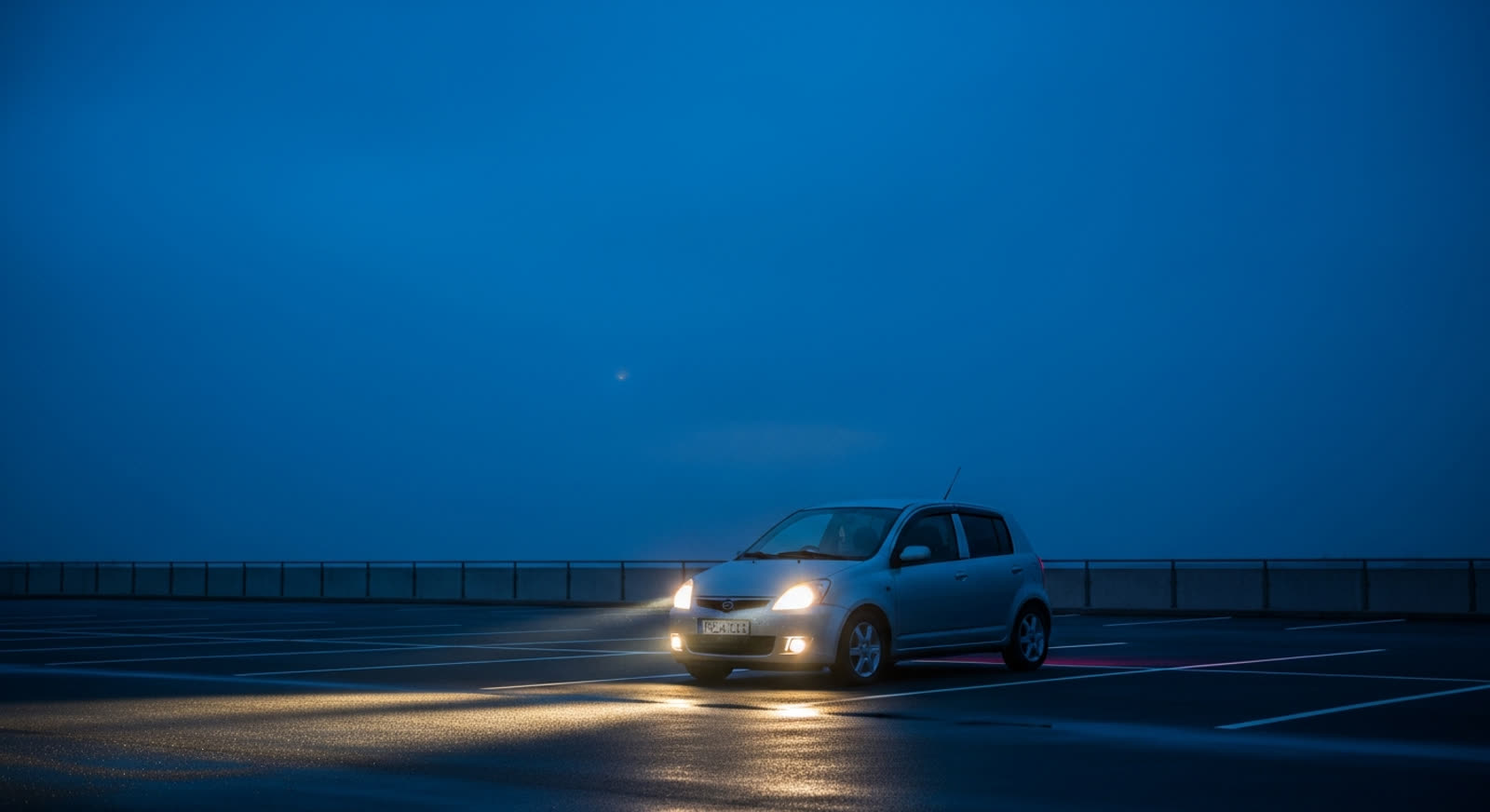
This is the number-one cause of dead batteries in parked cars. Forgotten headlights, an interior light left on, a phone charger still plugged into the USB port. On a modern car with a healthy battery, that's roughly 3 to 5 hours of runtime before you won't be able to start the engine.
How to prevent it:
- Glance at your lights every time you leave the car, especially at night or in covered parking where you can't see the headlights from outside.
- A passerby who spots your lights on can alert you in seconds if your car has a contact method on the windshield — a QR code service like Klaxie can save your day.
- Many modern cars have automatic headlight shutoff. Check your settings and make sure it's enabled.
2. An aging battery
A car battery typically lasts 4 to 6 years under normal use — less in cold climates or with frequent short trips. Past that point, it may seem completely fine, then fail without warning.
How to prevent it:
- Ask your mechanic to load-test the battery at the next service visit, especially if it's over 4 years old.
- Battery tests are free at most auto parts stores.
- Cold weather hits old batteries hardest. Consider replacing yours before winter if it's getting on.
3. Too many short trips
The alternator recharges the battery while the engine runs. A 5-minute drive doesn't come close to replacing the power used to start the car. If most of your driving is short urban hops, your battery slowly discharges over time.
How to prevent it:
- Take a 30-minute motorway run every couple of weeks if most trips are under 10 minutes.
- A trickle charger (e.g. CTEK, around $40–$80) plugged in at home during long periods of non-use does the job.
4. Parasitic drain
Some components keep drawing power after the engine is off: a malfunctioning alarm, a GPS left in the 12V socket, a defective heated seat, or a door not fully closed keeping a courtesy light on. Over 24 hours, even a 50 mA draw can flatten a standard battery.
How to prevent it:
- If your battery dies after just 1–2 days without use, a mechanic can measure the rest current with a multimeter.
- Unplug non-essential accessories (GPS, phone chargers) when leaving the car.
5. Extreme cold
Cold weather can reduce a battery's capacity by 20 to 50% depending on temperature and age. At 14°F (-10°C), a battery at 80% health may simply refuse to crank a cold engine.
How to prevent it:
- Park indoors (garage, covered lot) when temperatures drop below 23°F (-5°C).
- In an EV or hybrid, keep the charge at 70–80% in winter.
- After a freezing night, let the engine idle for a minute or two before running the heater at full blast.
If it happens anyway
- Jumper cables + another car: Classic, but check your owner's manual — many modern cars (stop/start, hybrids) have dedicated jump-start terminals under the hood.
- Portable jump starter: $40–$100, fits in the glovebox, no second car needed.
- Roadside assistance: Check your insurance — you may already have zero-kilometre breakdown cover included.
Dead batteries are rarely inevitable. A little maintenance and a few good habits turn a frequent headache into a rare event.
If you leave your lights on, someone can warn you in 30 seconds via Klaxie — no app to install, no number to share.
Read next: Headlights left on in a parking lot · Tow truck cost in 2026