Car QR Code vs Anti-Theft Alarm: What to Choose in 2026?
A common question among car owners: should you go for an anonymous contact QR sticker (like Klaxie) or a classic anti-theft alarm? The honest answer is that they do not serve the same purpose at all. Here is a clear comparison to help you choose — or combine them.
1. What does each solution do?
| QR sticker (Klaxie) | Anti-theft alarm | |
|---|---|---|
| Main goal | Let a passer-by reach you anonymously | Deter / signal a break-in |
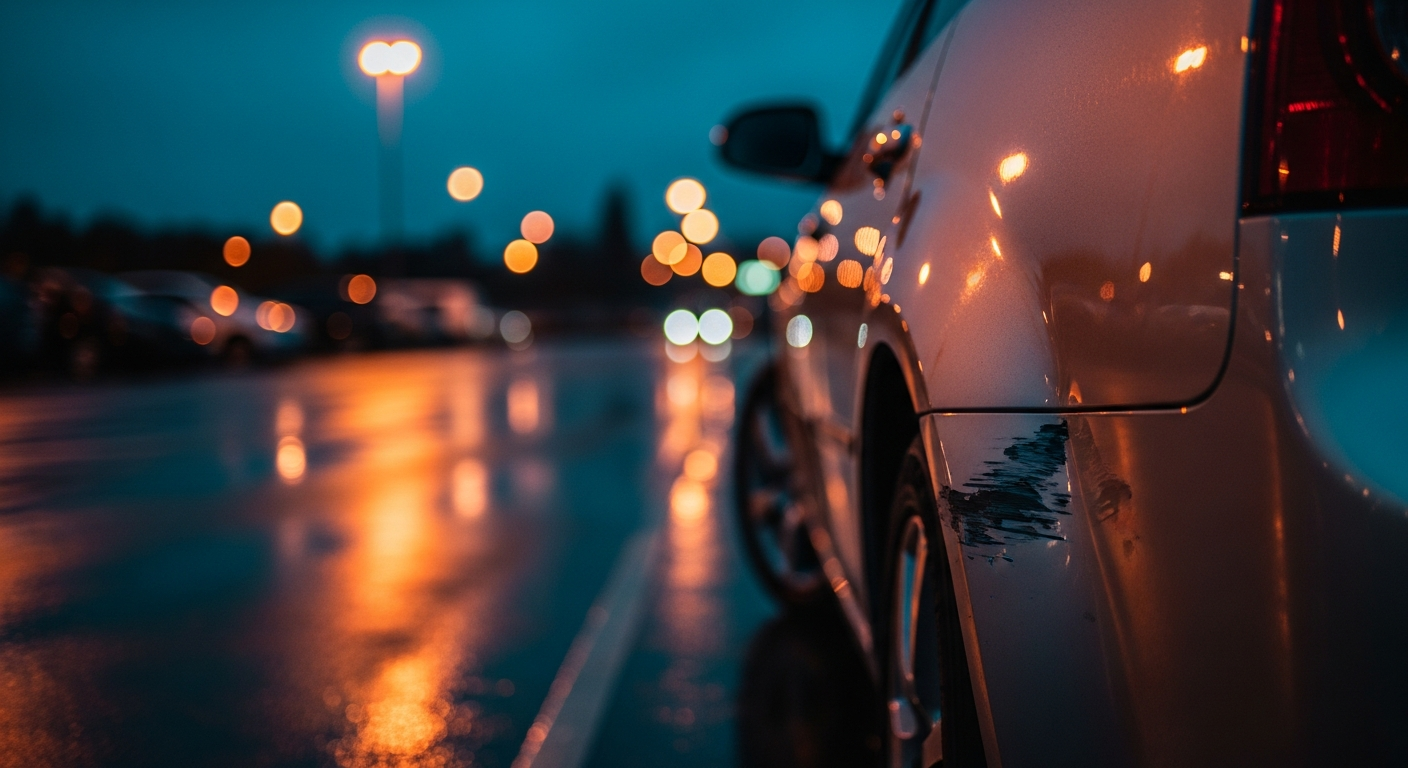
| Typical use cases | Lights left on, car in the way, flat tyre, scratch | Theft attempt, accessory theft, broken window |
| Triggered when… | A human spots a visible problem | A sensor detects a shock, intrusion or motion |
| Where do you see it? | Push notification / email in the app | Horn + flashers + sometimes SMS |
In short: the QR covers everyday issues, the alarm covers break-in scenarios.
2. 2026 price comparison
| Criteria | QR sticker | Classic alarm |
|---|---|---|
| Entry price | Free (home printing) to €3/sticker | €80 to €250 a kit |
| Installation | 30 seconds (stick on) | 1 to 3 h (garage: +€150 to €300) |
| Subscription | Free plan €0 (Klaxie), Premium €5.99/month | €0 (standalone) or €8 to €25/month (with GPS & SMS) |
| Lifespan | 5 to 7 years | 5 to 8 years |
| Total cost over 5 years (individual use) | €0 to €60 | €200 to €700 |
3. Real-world effectiveness (for what each covers)
QR sticker:
- ✅ Covers 80% of truly common situations (lights, blocking, scratch).
- ✅ Zero false positives — a human actually saw a problem before scanning.
- ❌ Useless if no one is around (isolated underground parking at night).
- ❌ Does not deter theft.
Alarm:
- ✅ Deters opportunistic thieves (sound + visual effect).
- ✅ Covers scenarios where you are far away (overnight parking, holidays).
- ❌ Massive false-positive rate: per a 2024 UK RAC study, 97% of alarm activations on public roads are ignored by passers-by because attributed to a malfunction.
- ❌ Useless against OBD-II theft or contactless-key relay attacks (increasingly common).
4. Privacy and data
| QR sticker (Klaxie) | Connected alarm | |
|---|---|---|
| Phone number exposed | ❌ Never | ⚠️ Stored at the operator |
| Continuous geolocation | ❌ No | ⚠️ Often yes (24/7) |
| Data sold to third parties | ❌ Klaxie sells nothing | ⚠️ Varies by manufacturer |
| GDPR compliance | ✅ Native | ⚠️ Variable, check the policy |
This is a point often forgotten: a connected alarm continuously tracks your vehicle, which can be a privacy concern. The Klaxie QR only sends data when someone actually contacts you.
5. What about a mechanical anti-theft (steering lock, wheel clamp)?
For targeted thieves (Range Rover, Mercedes G-Class, premium electric cars), no alarm or QR replaces a visible mechanical anti-theft (steering wheel lock, wheel clamp) that adds 5 to 10 minutes to a theft. This is what insurers recommend in urban areas.
6. What should you choose?
You live in town, public parking, car worth < €15k: → The QR alone covers 80% of your real needs. Cost: ~€0.
You drive a new car worth > €25k or live in a high-risk area: → Combine QR (free) + visible mechanical lock. Alarm is a bonus, not essential.
You leave the car unattended for long periods (station parking, holidays): → GPS tracker + mechanical lock > classic alarm. The QR becomes useful on return for any notes from passers-by.
Conclusion
The "QR vs alarm" debate is poorly framed. The QR is for solving everyday hassle without giving out your number. The alarm is for deterring theft. Both are compatible, and the QR is so cheap there is no reason to skip it, even if you already have an alarm.
Discover Klaxie — the anonymous contact QR. Free for 1 vehicle, €5.99/month to cover your whole family.
Read next: QR code on windshield: is it legal? · How to print and stick your QR code